Photo Credit: Bradley Wentzel
Joby Aviation’s all-electric aircraft is set to fly in NASA’s Advanced Air Mobility National Campaign later this year — the next step in almost ten years of collaboration exploring electric propulsion in aviation.

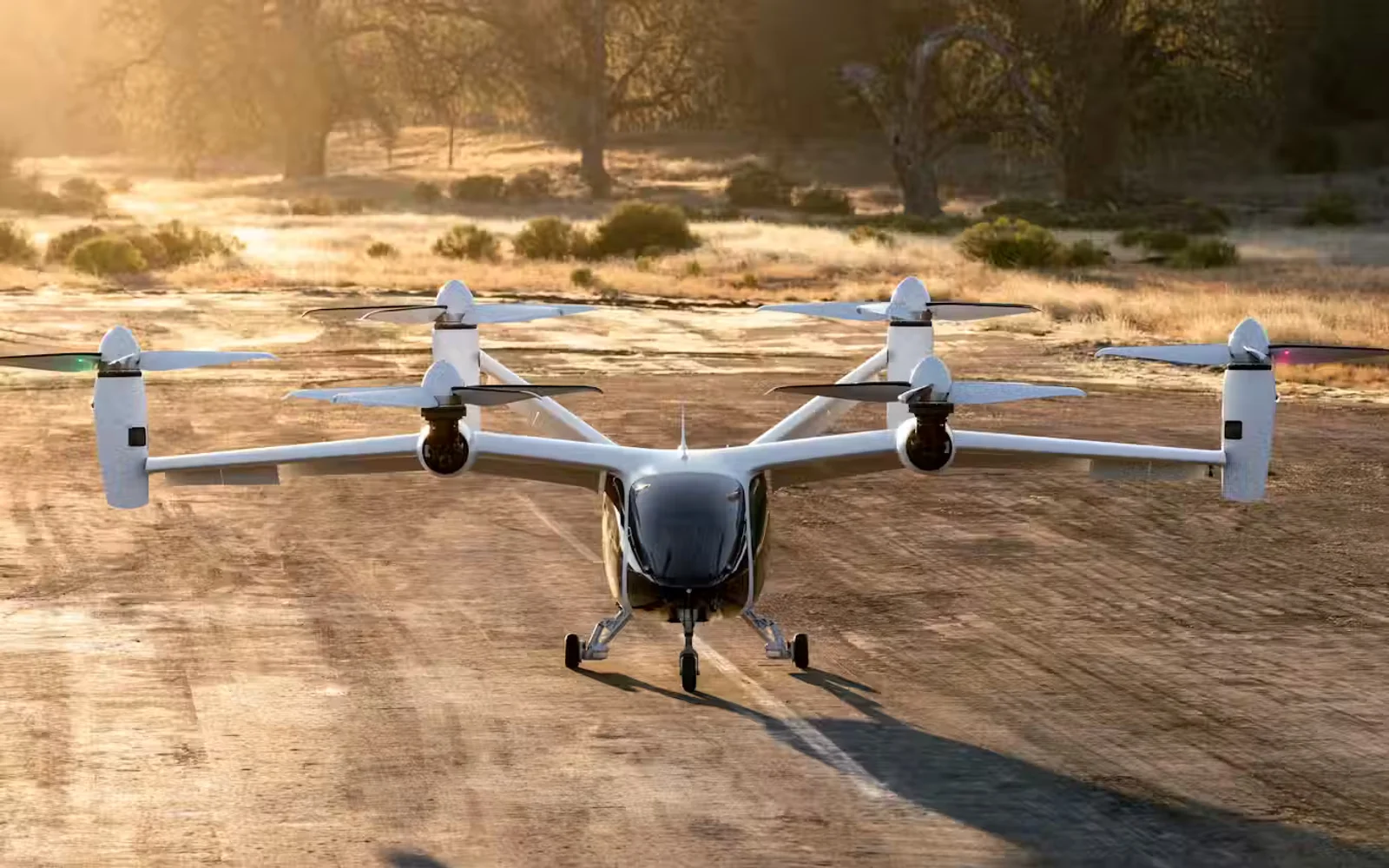
Joby Aviation’s all-electric aircraft is set to fly in NASA’s Advanced Air Mobility National Campaign later this year — the next step in almost ten years of collaboration exploring electric propulsion in aviation.
Though NASA is most widely known for its achievements high above the atmosphere — landing humans on the moon and launching probes beyond the boundaries of our solar system — the “first A” in NASA has played a similarly pioneering role in aeronautics research and the evolution of flight.
Beginning in the late 2000s, NASA engineers recognized the potential of electric propulsion to transform aviation, offering greatly reduced noise and emissions plus improved safety over traditionally powered aircraft. For the past ten years, NASA has driven progress in the electrification of flight.
In those early days of electric aviation, our founder, JoeBen Bevirt, was also pushing the envelope, exploring airborne wind turbines as a means to harness the forces of stronger winds thousands of feet off the ground for renewable energy generation. It was the success of those efforts that led to the formation of Joby Aviation with the goal of building personal electric aircraft.
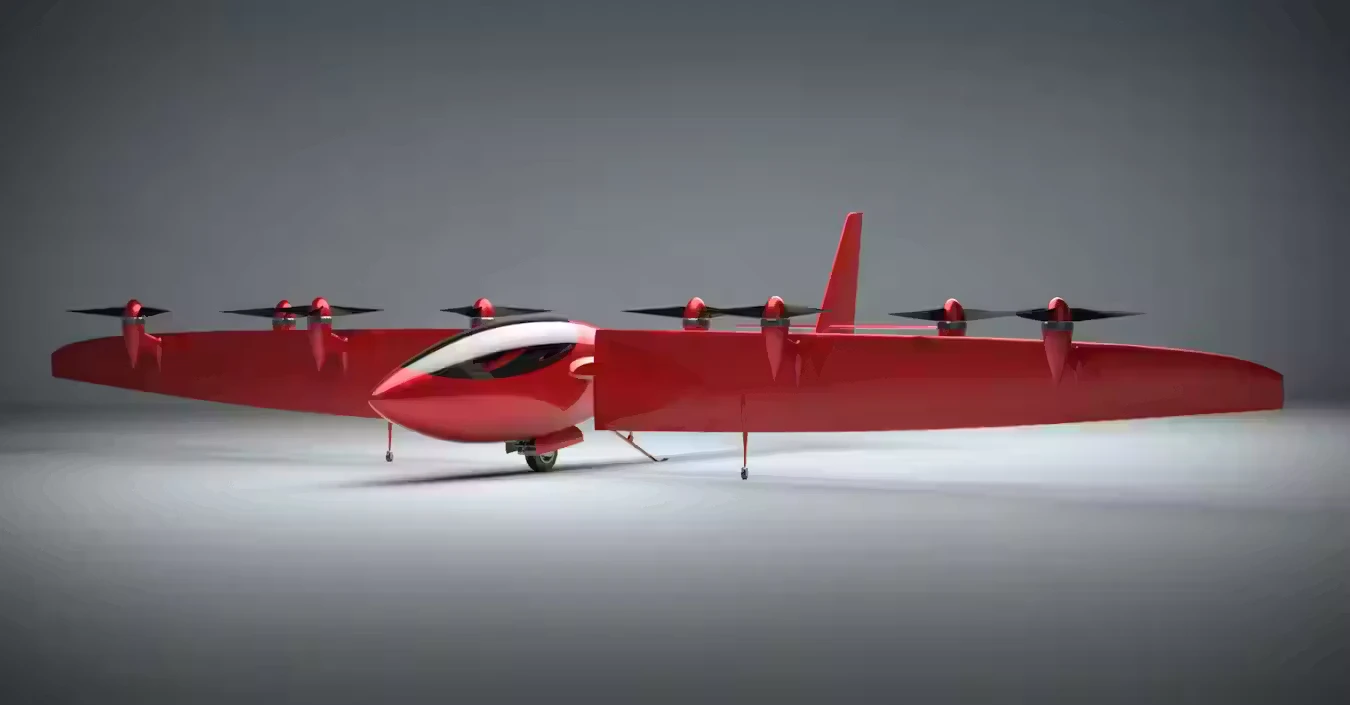
The paths of NASA and Joby began to cross almost a decade ago as the agency set out to explore electric propulsion systems and novel aircraft designs. In 2012, Joby’s work on the Monarch, a personal electric aircraft design, led to the company’s selection as a partner for the Greased Lightning and Lotus projects that explored long-endurance aircraft designs with vertical takeoff and landing capability.
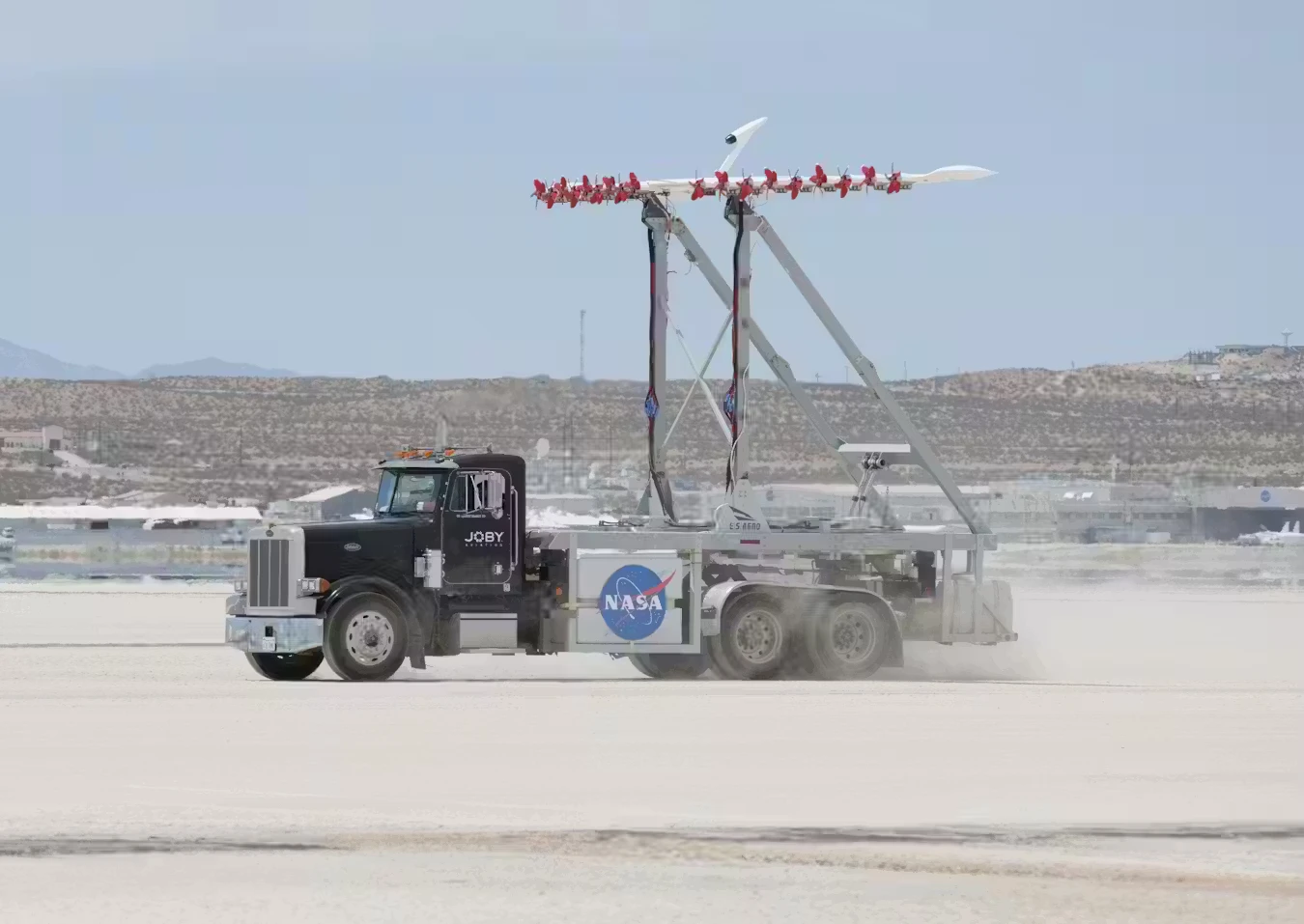
In 2013, Joby’s team was tapped alongside another contractor to design and build an experimental wing with 18 integrated electric motors. Mounted on a specially modified semi-truck, still used today by Joby for propeller testing, the wing was driven across a dry lakebed at speeds up to 73 miles per hour as a more flexible and cost-effective alternative to traditional wind tunnel testing.
From our founding in 2009, we believed the future of transportation would be zero-emissions electric aircraft that could quietly take off and land close to where people live and work. NASA’s visionary researchers shared that belief, and it is in no small part thanks to our deep collaboration that Joby’s groundbreaking five-seat electric aircraft is flying today.
After a decade of research and development to support the nascent electric aviation industry, NASA is now once again taking the lead with the Advanced Air Mobility (AAM) National Campaign. Initially announced at the 2018 Uber Elevate Summit, the National Campaign is designed to promote public confidence in emerging aviation markets by simulating air taxi operations in advance of commercial entry-into-service, and will help industry and regulators understand how electric aircraft can integrate into everyday life.
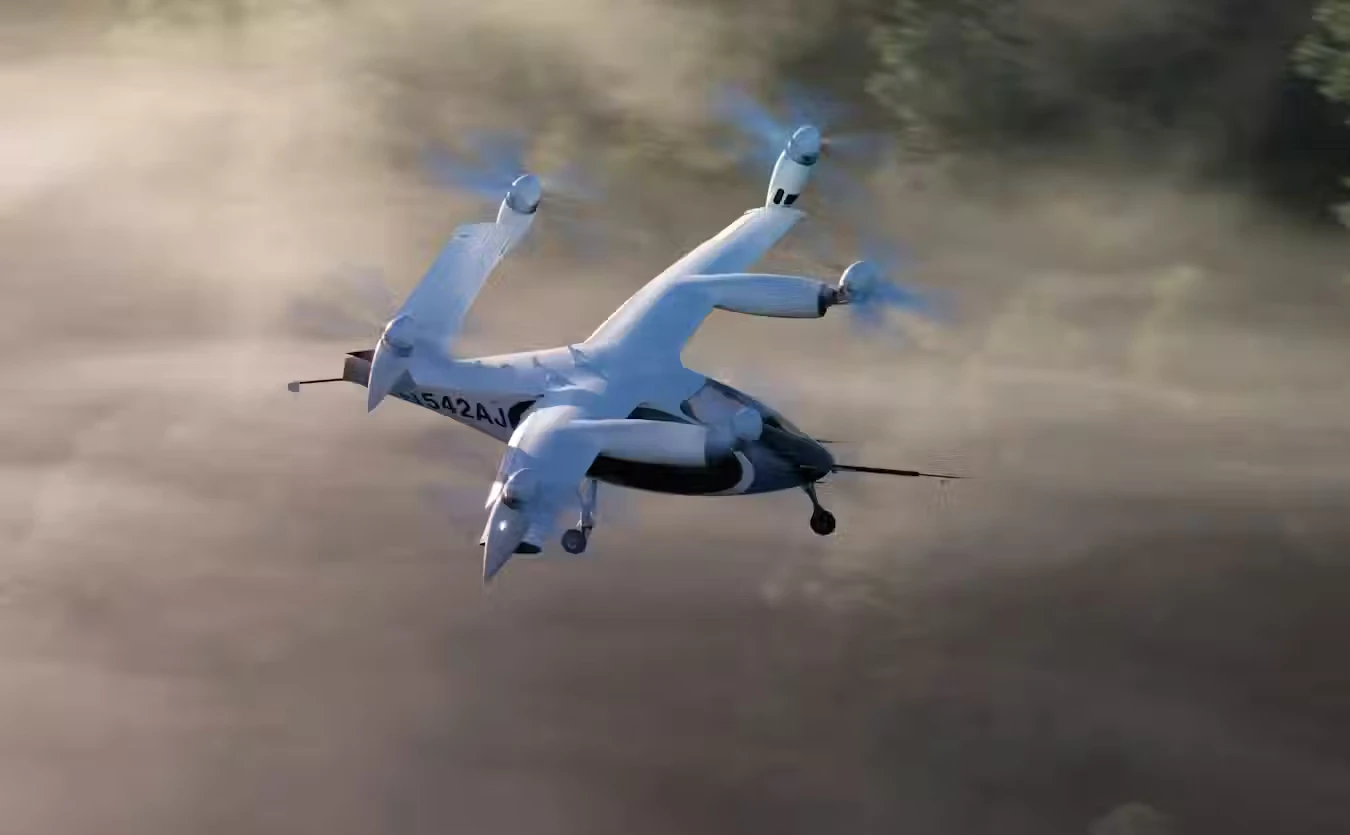
When Joby and NASA first partnered to explore the possibilities of electric vertical flight, the technology felt like a peek into a distant future. Today, as we continue to fly our production prototype aircraft, we are able to look back and grasp how far we have come from those early pioneering experiments.
Plenty of work remains in the decade ahead. We look forward to continuing our strong partnership with NASA and flying our aircraft as part of the National Campaign later this year.


